

Aging exhibition in London
What a visit to a London exhibition on aging taught me about redesigning the rules, not ourselves.
I went to an exhibition in London this weekend about aging. I expected to leave thinking about science, or medicine, or time. Instead, I left thinking about a restaurant.
A restaurant where you might not get what you ordered.
Not because the staff don’t care or aren’t trained, but because the people serving you are older and living with memory challenges. And instead of hiding that, the whole experience is built around it. You go there knowing your order might be “wrong.” And somehow, that’s exactly why people love it.
“Imagine ordering one dish and getting something completely different. In any other place, that would be a problem. Here, it becomes the point.”
I found it funny at first, in a warm, joyful way. Someone forgetting mid-task that they were even working there. In any conventional setting, that’s a failure. In this one, it’s a moment. A story you’ll tell at the table.
Slowness becomes part of the experience. Mistakes become stories. Presence becomes more important than perfection.
Nothing about the people changed. Only the expectation did. And that changed everything.
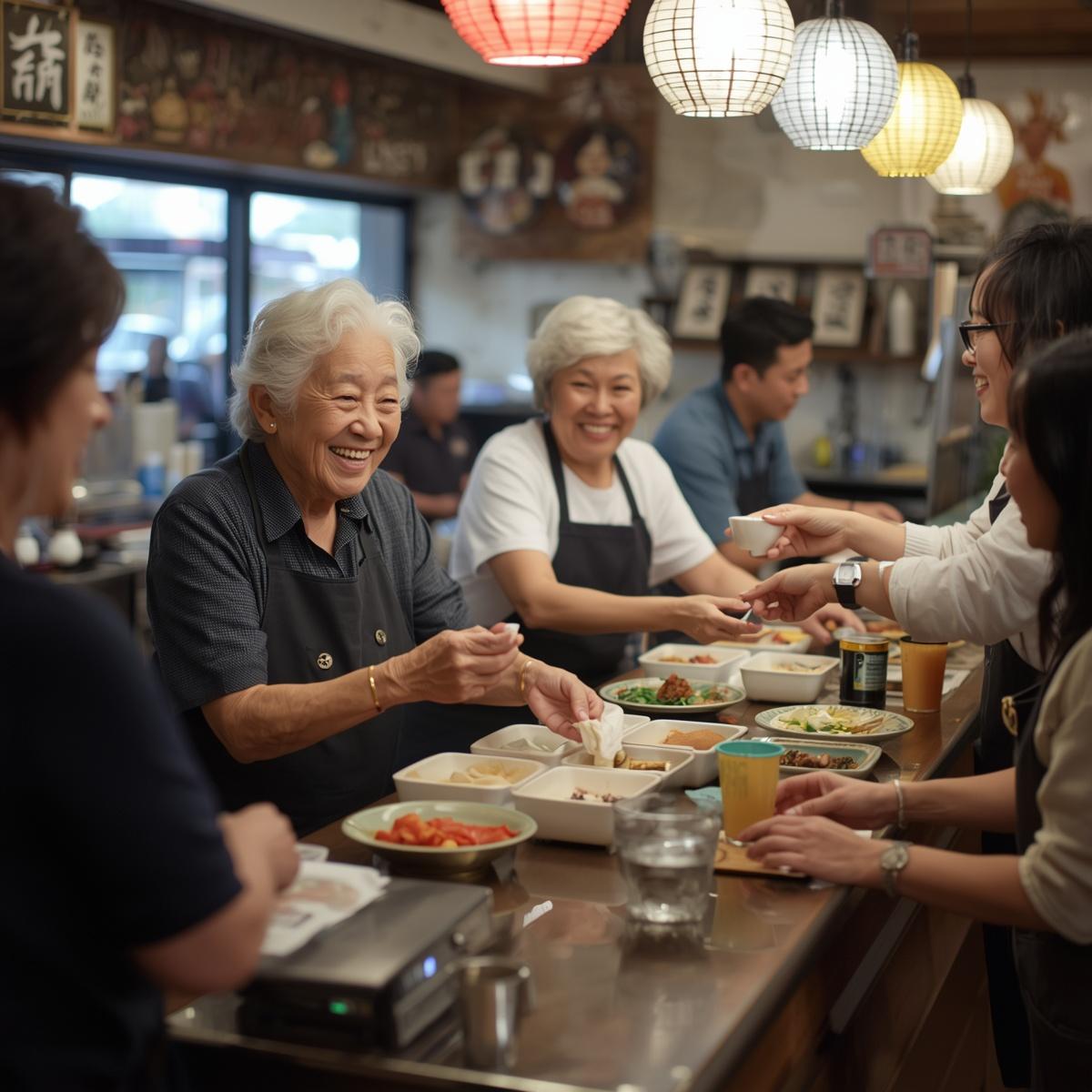
This is what it looks like to redesign the model itself
What this restaurant does is fundamentally different from what most institutions do with aging, or with any kind of difference. It doesn’t try to fix people, or force them into a framework they no longer fit. It questions the framework.
And once you see that, it’s hard to unsee it.
How often do we do the opposite in our own lives… constantly trying to improve, adjust, and optimise ourselves to fit systems that were never really designed for us in the first place? We treat the mismatch as a personal failing when maybe the real issue is the mould itself.
What if the shift isn't in fixing ourselves?
That’s the question I keep coming back to. Not “how do I fit better?” but “what would it look like to build something that fits differently?”
To question the rules we’ve been given. To challenge what we’ve been taught to value. To design environments where different qualities like patience, presence, warmth, and surprise finally matter.
“Meaningful change might not come from fitting into the old paradigm better. It might come from being willing to step outside it entirely.”
That takes courage. It’s easier to optimise within a system than to question whether the system is right. But every now and then, someone builds a restaurant where a forgotten order is a feature, not a flaw, and it reminds you that the rules were always more flexible than you thought.
See it yourself!